ONE HEALTH RESEARCH ADVANCES SUSTAINABLE LIVESTOCK SYSTEMS IN MONGOLIA
ONE HEALTH RESEARCH ADVANCES SUSTAINABLE LIVESTOCK SYSTEMS IN MONGOLIA

Field research activities under the SNF- One Health Mongolia Project are progressing in Arkhangai and Tuv provinces, bringing together Mongolian and Swiss researchers, local governments, and herder communities to strengthen the sustainability of pastoral livestock systems.
The project is jointly implemented by the Swiss Tropical and Public Health Institute (Swiss TPH), Bern University of Applied Sciences (BFH), the Mongolian University of Life Sciences (MULS), and the Green Gold Mongolian Rangeland Research Center (GGMRRC) with support from the Swiss National Science Foundation (SNF).
During the June field mission, research teams visited Bulgan, Khangai, Khotont, and Tsakhir soums of Arkhangai Province, as well as Erdenesant and Undurshireet soums of Tuv Province. Working closely with local governments, herder associations, and pastoral households, the team identified research sites and established the foundation for long-term field studies.
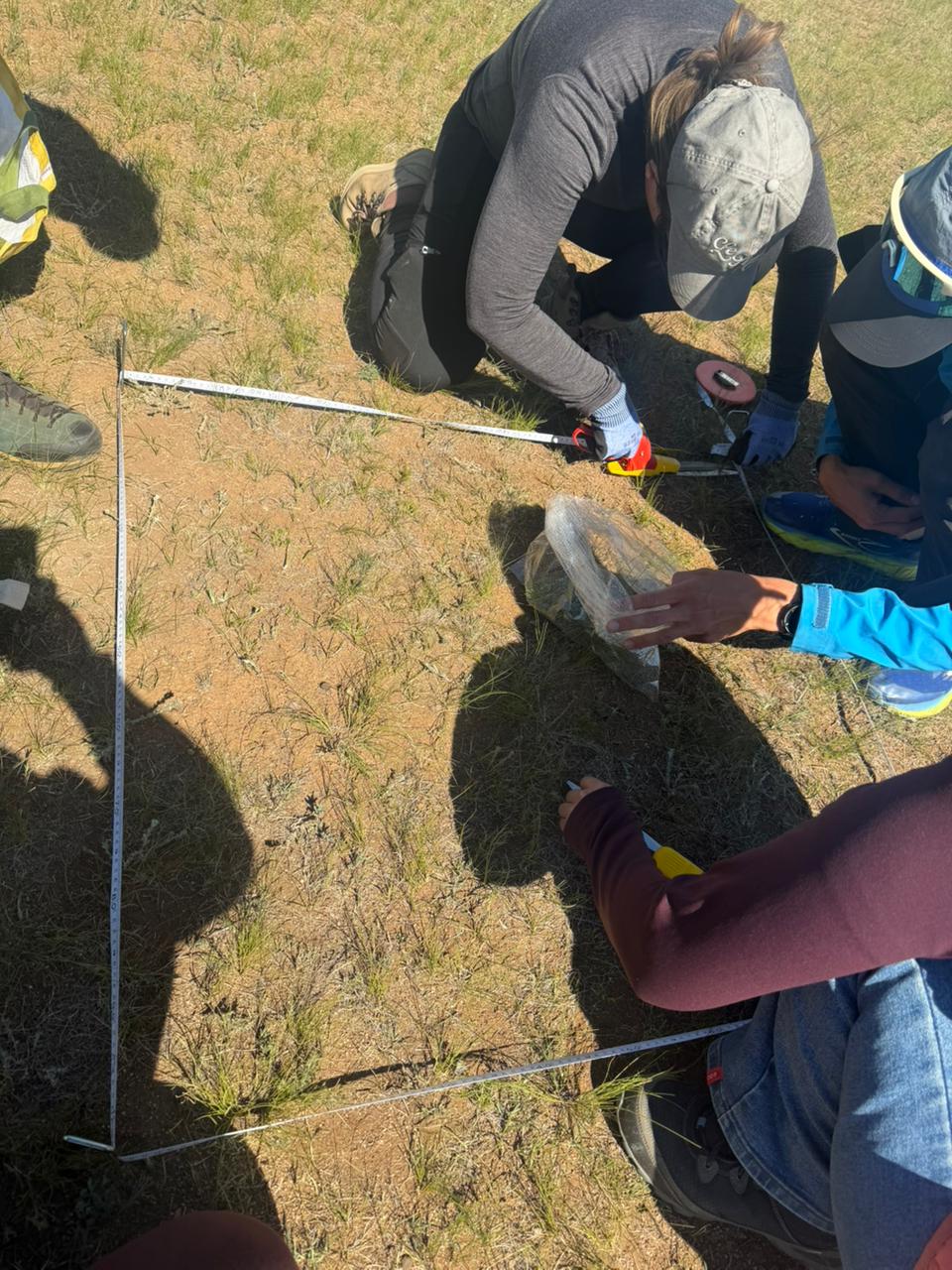
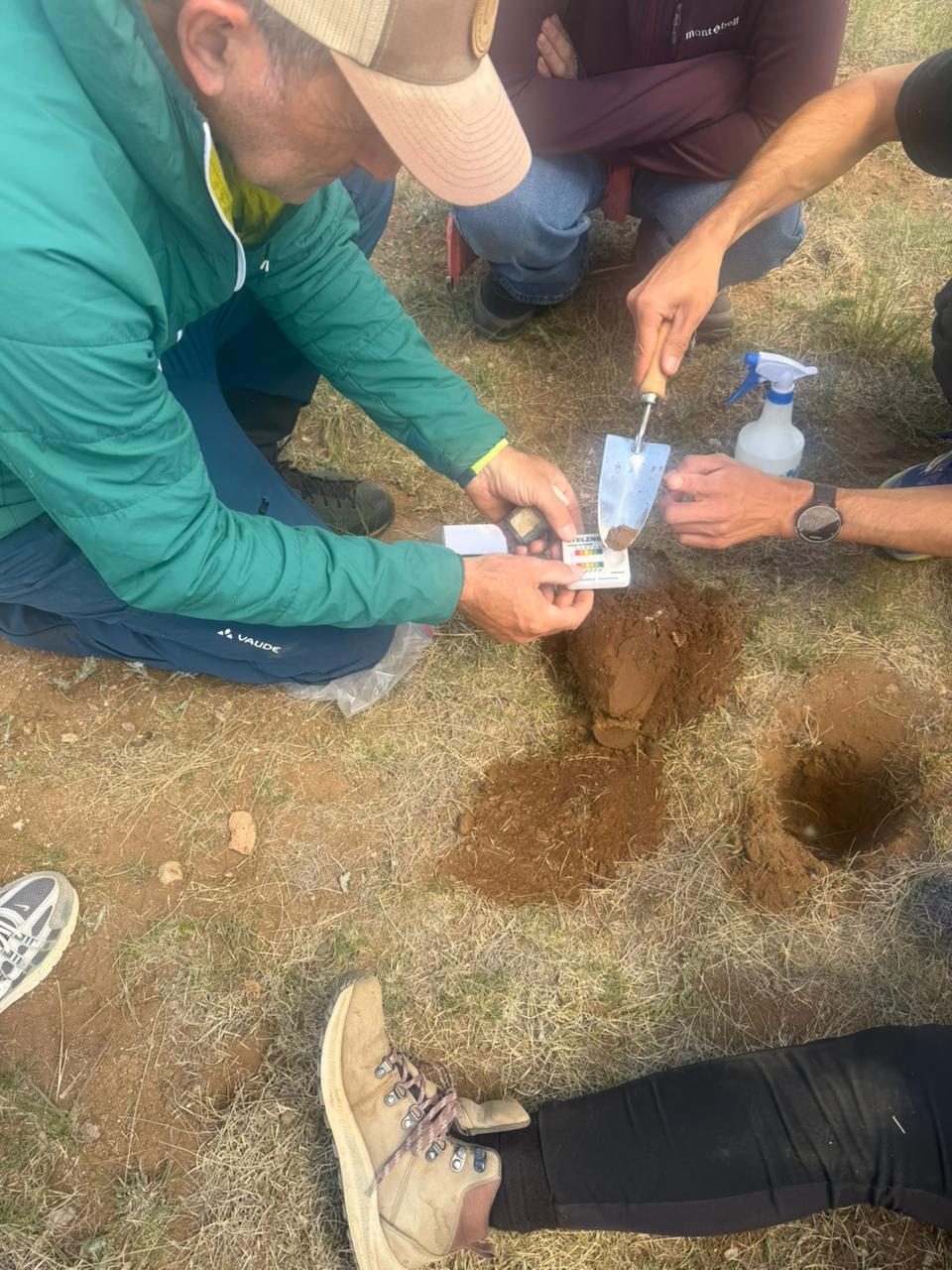
The research focuses on understanding the links between rangeland health, livestock production, animal health, and rural livelihoods. Key activities include selecting sample and fencing sites, collecting soil and vegetation samples, assessing biomass and biodiversity, documenting ecological site groups (ESGs), and engaging with herder families to understand pasture conditions, soil carbon and emission from each species and management practices. Through a One Health approach, the project aims to generate scientific evidence and practical solutions that contribute to healthier ecosystems, productive livestock systems, and improved livelihoods for Mongolia’s pastoral communities.
The project team extends its sincere appreciation to participating herders, soum governments, researchers, and local partners for their valuable collaboration and support during the field research activities.