National validation of a FAO study on biodiversity and women’s empowerment in Mongolia’s pastoral systems
National validation of a FAO study on biodiversity and women’s empowerment in Mongolia’s pastoral systems
National validation of a FAO study on biodiversity and women’s empowerment in Mongolia’s pastoral systems
14th April 2026
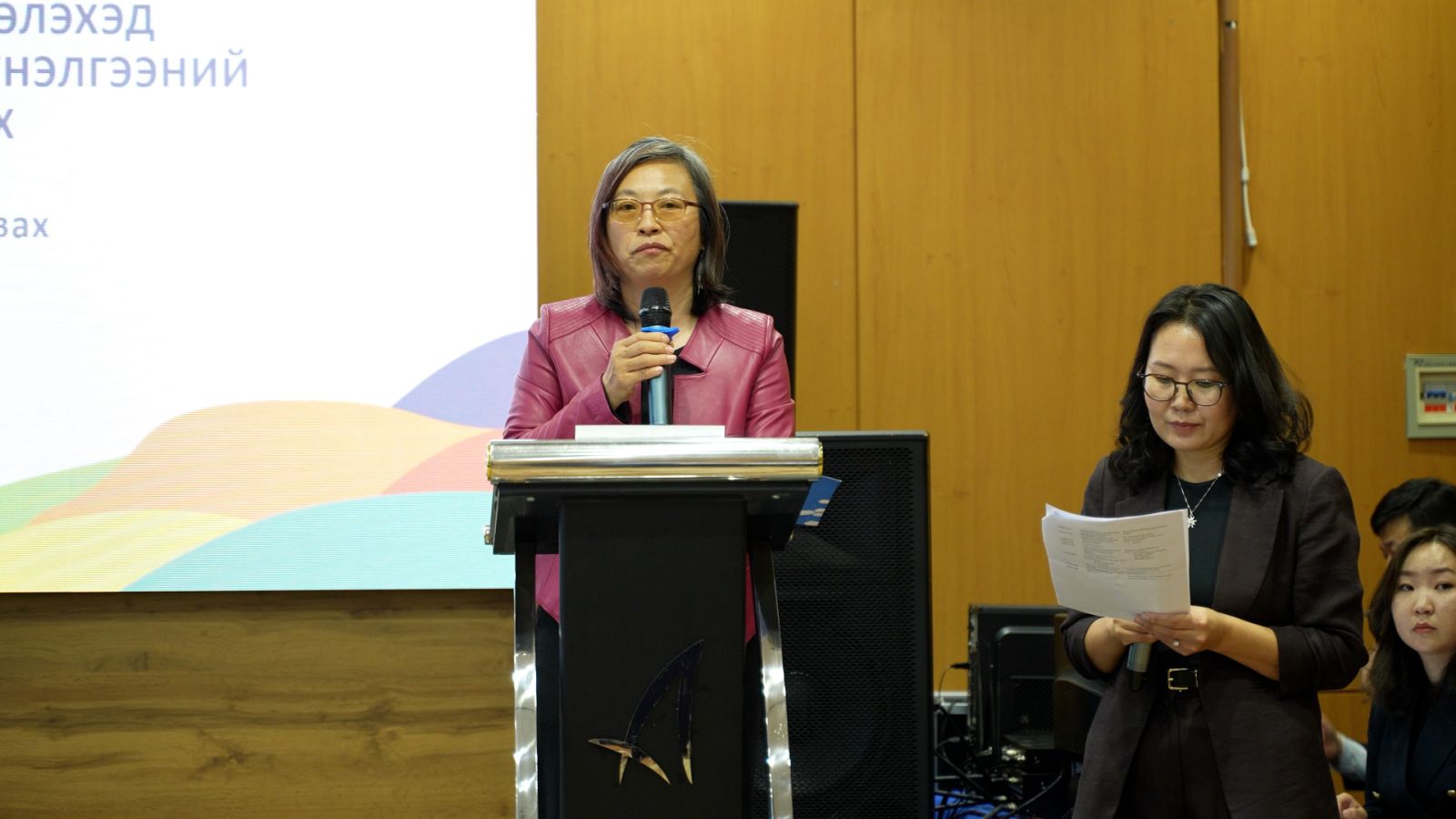 Dr. Qingyun Diao, Representative of FAO in Mongolia sharing the opening speech @Sozo media LLC
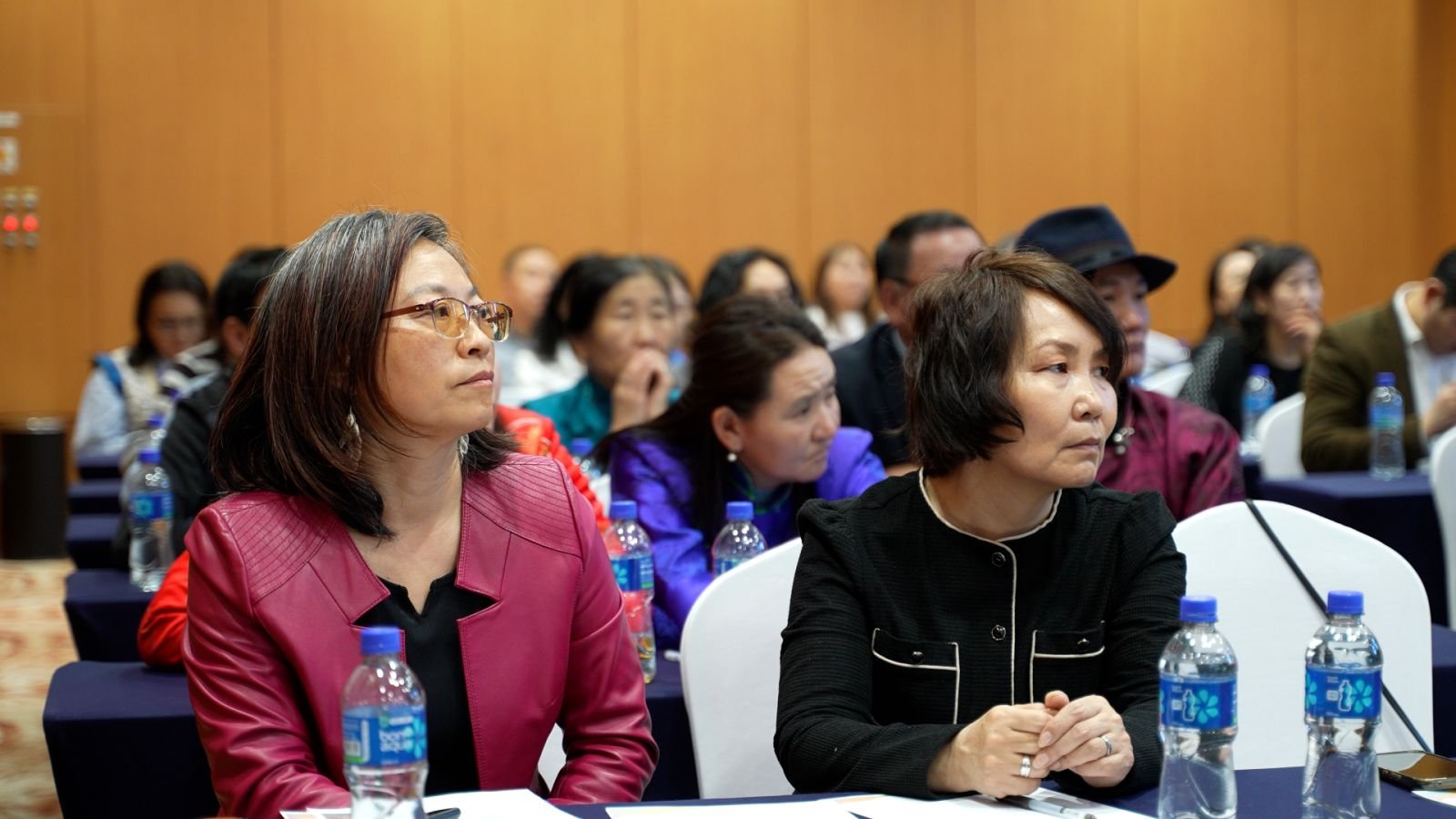
Pastoralism, often based on locally adapted breeds, safeguards both animal genetic diversity and the diverse ecosystems they depend on. However, the contribution of pastoral systems and the role of pastoral women in the protection of biodiversity is still often underrecognized. On 14th April 2026, FAO, together with the Green Gold Mongolian Rangeland Research Center (GGMRRC), organized a national validation workshop in Ulaanbaatar to present the results of a new study led in Mongolia. The results are clear: pastoral systems display higher biodiversity levels than semi-intensive and intensive systems and mobility plays a key role in this. Women leadership was also found to be essential for the sustainable management of wildlife, animal care, and community-based rangeland management.
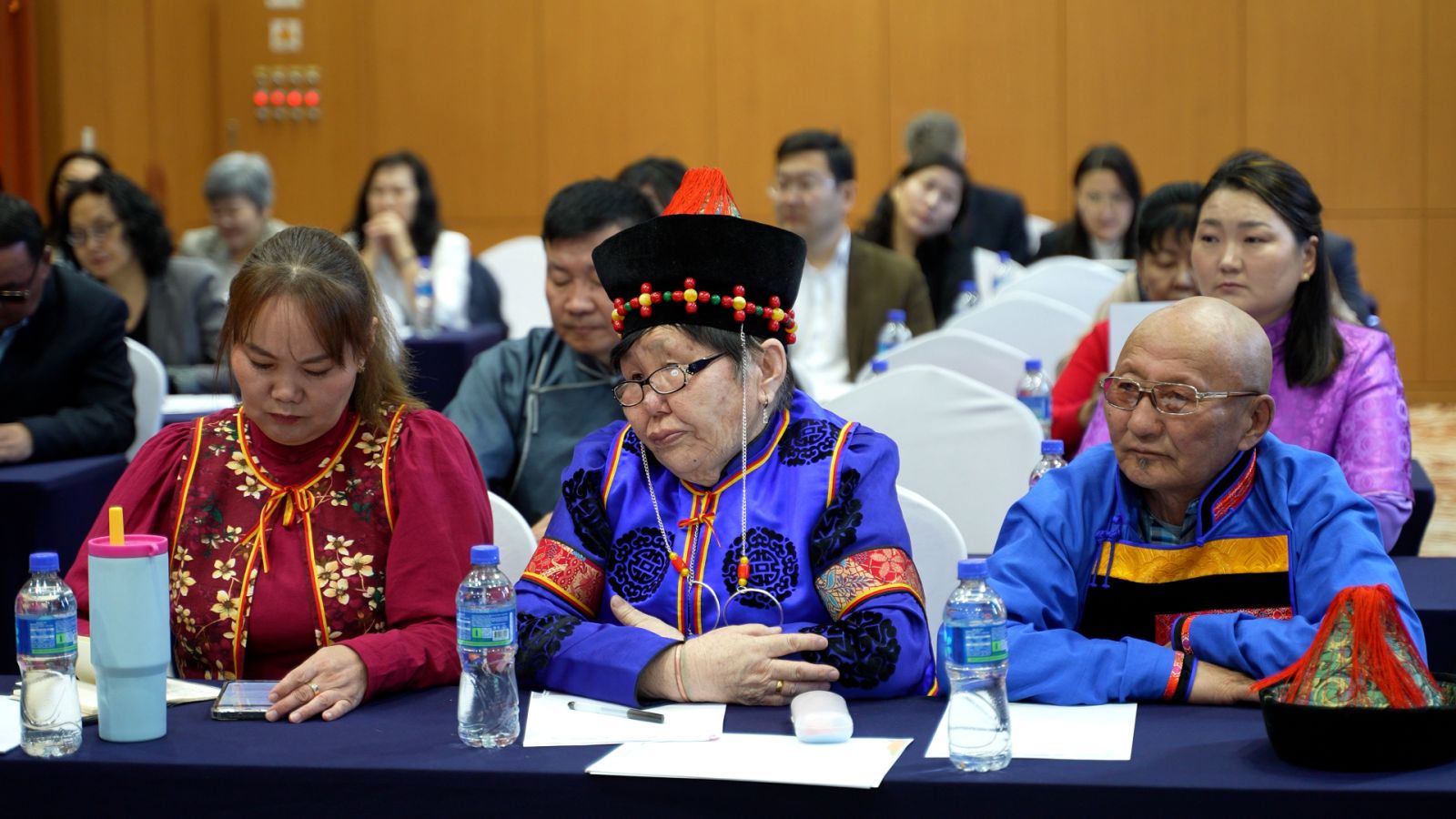 Representatives of pastoralists from Dornod aimag who participated in the assessment @Sozo media LLC
The framework used for this assessment was the Tool for Agroecology Performance Evaluation (TAPE), an innovative framework to measure the farm’s level of agroecological transition. As part of this FAO project “Boosting evidence on biodiversity and gender for sustainable livestock transformation” launched in 2024 in three countries (Mongolia, Uganda and Tunisia), indicators on biodiversity and gender adapted to pastoral systems for TAPE were developed and the project served as a pilot to test them.
.jpg) Ms. Ivana Mardesic, pastoralism specialist at FAO presenting the methodology of the assessment @Sozo media LLC
Ms. Ivana Mardesic, pastoralism specialist at FAO presenting the methodology of the assessment @Sozo media LLC
In Mongolia, the assessment targeted pastoral, semi-intensive and intensive households of 5 soums (Alag-Erdene in Khuvsgul aimag, Bulgan in Arkhangai aimag, Uyanga in Uvurkhangai, Undurshireet in Tuv aimag and Tsagaan-Ovoo in Dornod aimag), covering two different ecological zones. The sample was disaggregated between farms that adopted the Responsible Nomad Standards, an ecocertification scheme, and others that did not. The data collection included 424 household surveys and 26 focus group discussions and interviews led in May 2025 by the National Federation of Pasture User Groups. The data analysis was performed by the GGMRRC with the technical support of FAO.
Dr. Burmaa Dashbal, Exective Director of GGMRRC, and pastoralists from discussing the results during the local validation workshop in Arkhangai aimag @FAO/Ivana Mardesic
As part of the assessment, two local validation workshops took place in Arkhangai and Tuv aimags. The results show that eco-certification, reflecting the traditional pastoral way of herding, emerged like a promising tool to reward sustainable practices, provided it guaranteed premium prices for animal products on the market. However, the stakeholders insisted on the need to harmonize and merge the different eco-certification initiatives at national level. The discussions also evolved around the need to encourage community-based rangeland management groups, women leadership, the approval of the draft Pasture Law, the dissemination of existing regulations to herder communities, the training of pastoral women in accounts monitoring and the decentralization of schooling systems for pastoralist children at municipality (bagh) level. The participants also emphasized the need to pass on the traditional knowledge to the younger generations that is at the basis of pastoralists’ co-existence with nature.
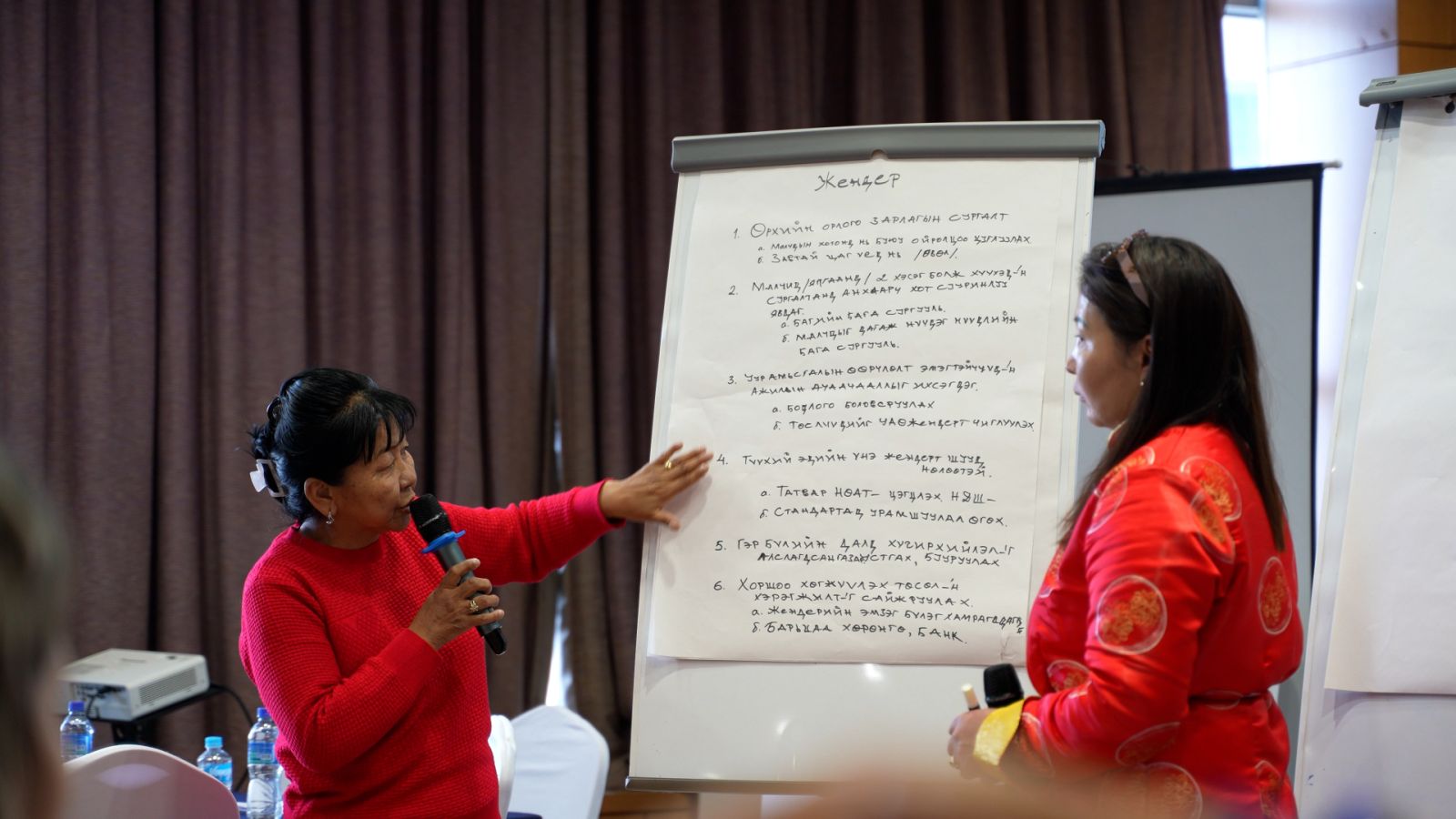
Ms. Oyun, enumerator from Undurshireet aimag and a representative of pastoralist presenting the recommendations emerging from the group discussions during the national workshop @Sozo media LLC