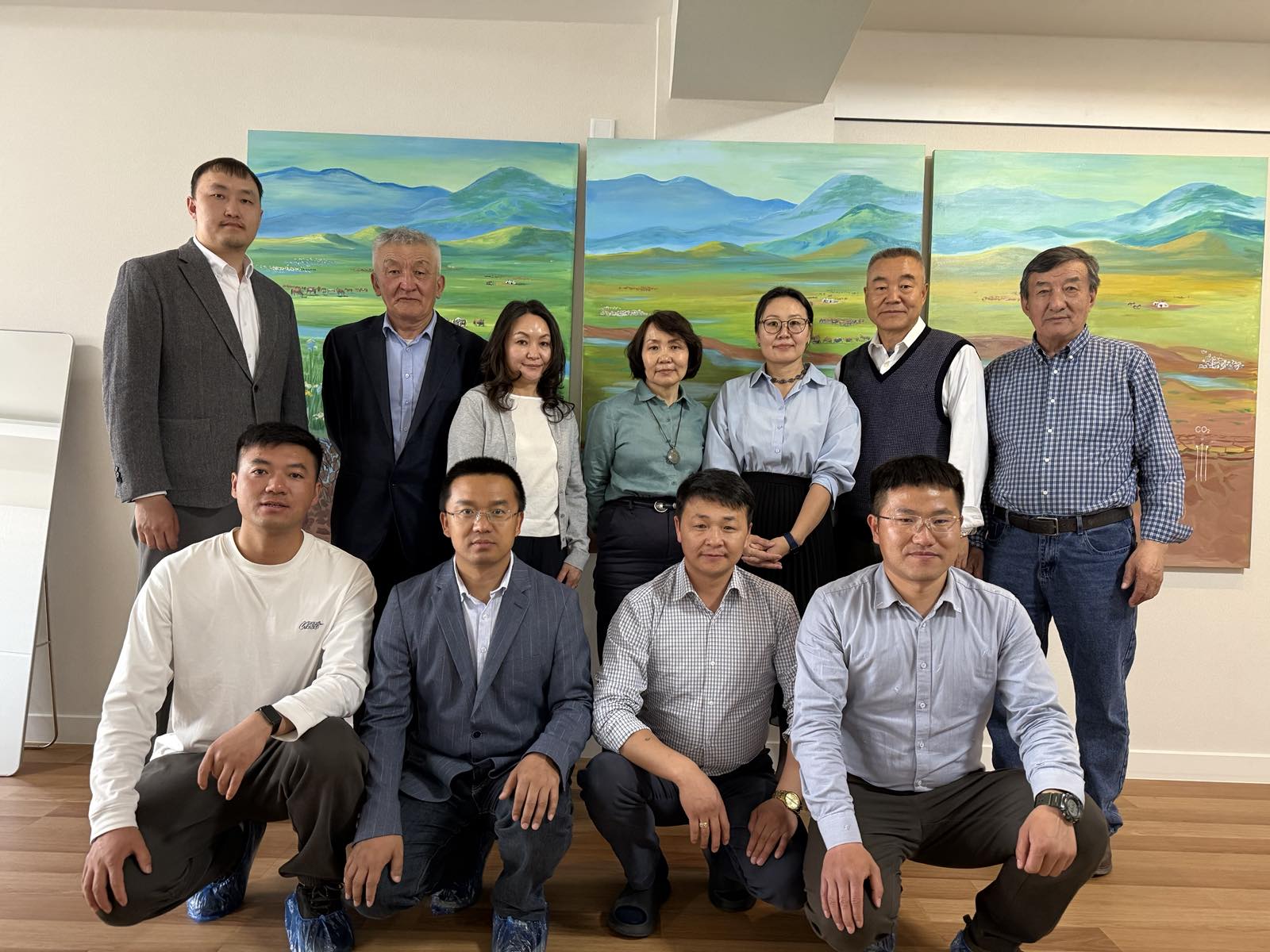
ONGOLIA AND CHINA STRENGTHEN SCIENTIFIC COOPERATION ON RANGELANDS, LIVESTOCK, AND CLIMATE RESEARCH
ONGOLIA AND CHINA STRENGTHEN SCIENTIFIC COOPERATION ON RANGELANDS, LIVESTOCK, AND CLIMATE RESEARCH
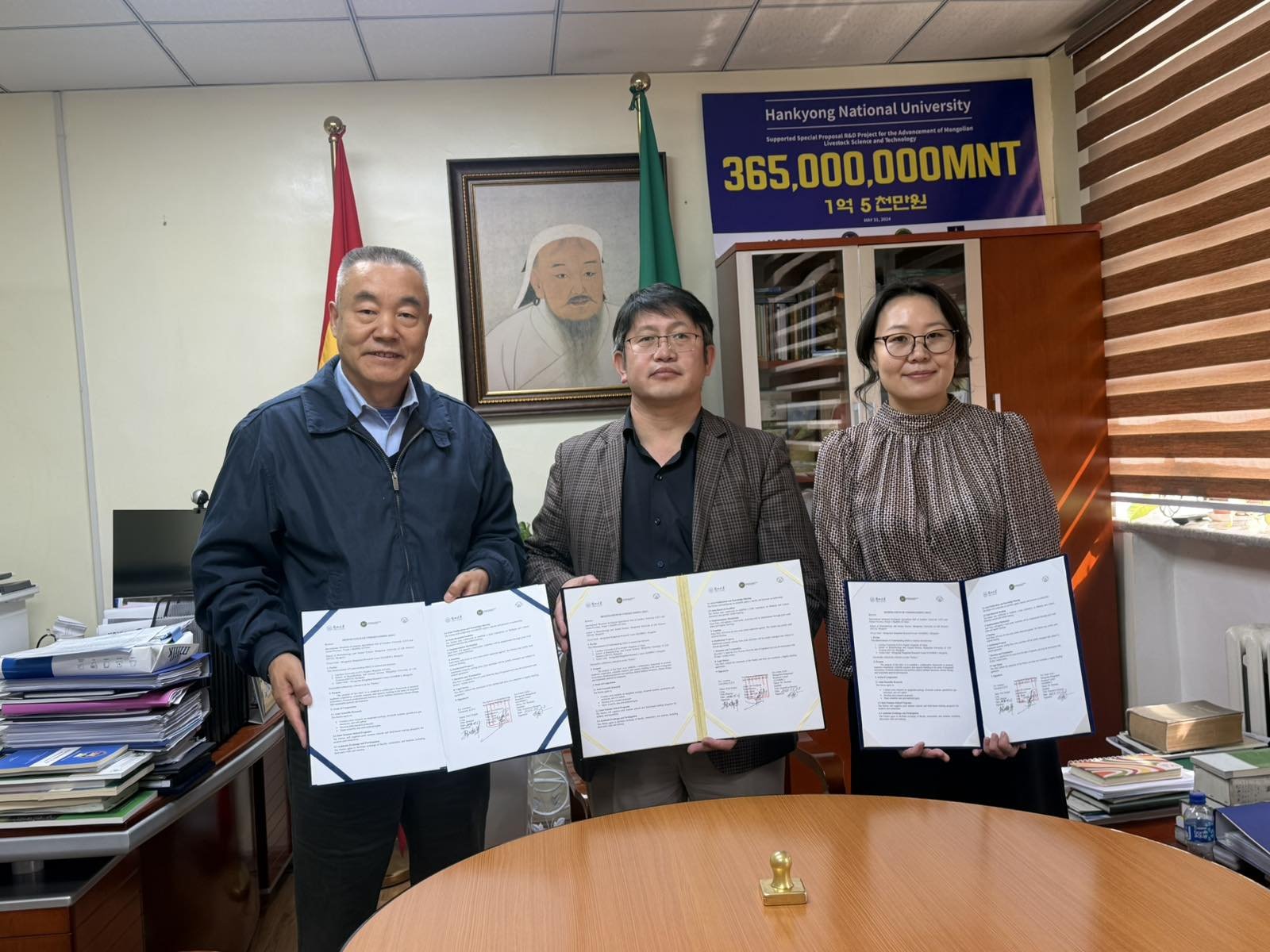
Lanzhou University (LZU) of the People’s Republic of China, the School of Biotechnology and Animal Science of the Mongolian University of Life Sciences (MULS), and the Green Gold – Mongolian Rangeland Research Center (GGMRRC) have signed a Memorandum of Understanding (MoU) to strengthen long-term scientific and academic cooperation on rangeland ecosystems, livestock production, climate change, and sustainable pastoral development.
.jpg)
The agreement establishes a collaborative framework between the three institutions to promote joint scientific research, academic exchange, summer school programs, publication of scientific papers, and development of innovative research facilities related to methane and carbon emissions.
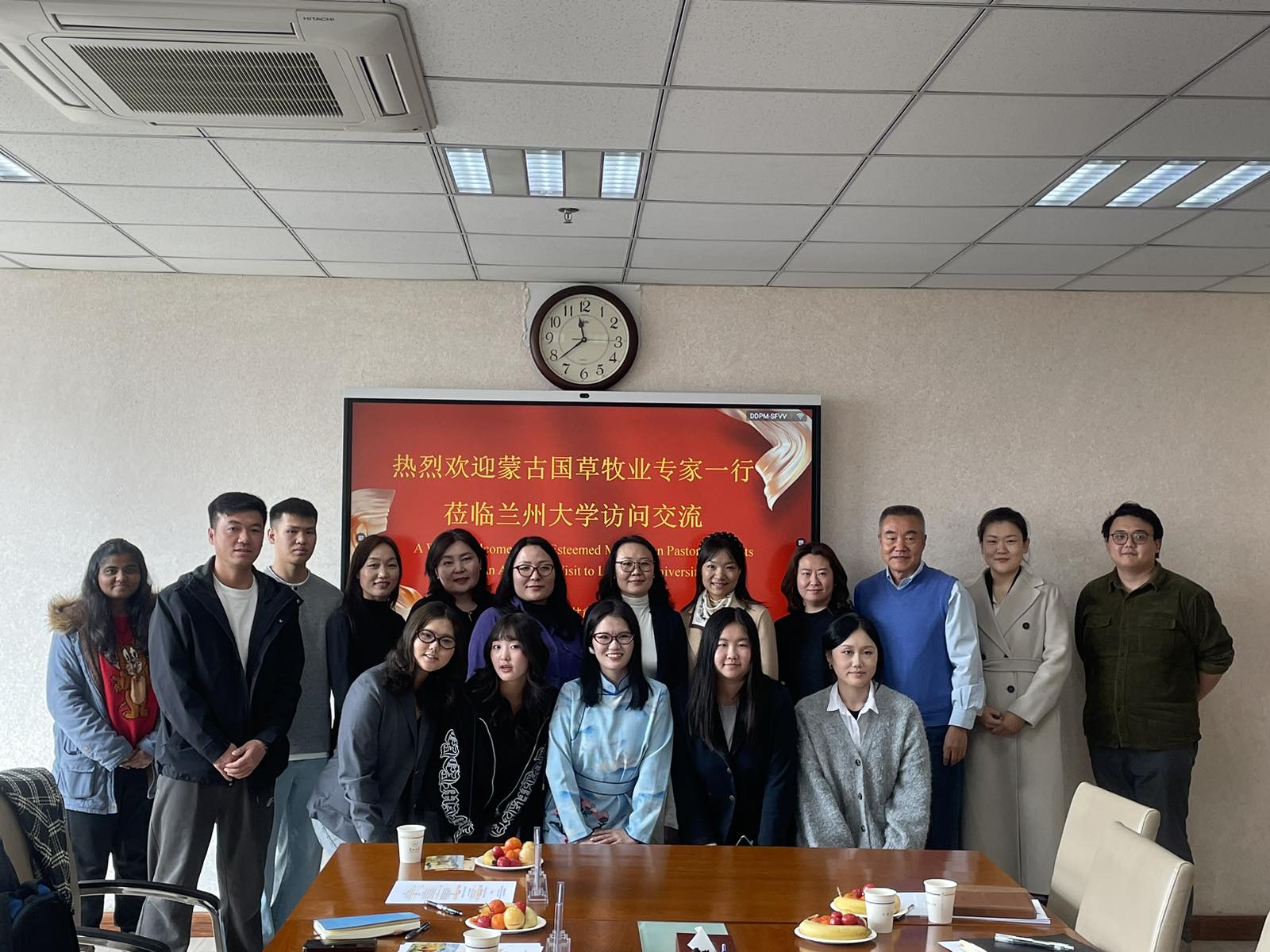
The partnership will focus on several key research areas, including:
• Rangeland ecology and restoration
• Livestock production systems
• Greenhouse gas emissions and methane measurement
• Soil organic carbon and ecosystem resilience
• Sustainable pastoral development and climate adaptation
One of the major future initiatives under the collaboration is the potential establishment of a Joint Laboratory on Methane and Carbon Emissions, supporting scientific innovation, field research, and researcher training in Mongolia and China.
Lanzhou University is recognized as one of China’s leading research universities. Among more than 3,000 universities in China, Lanzhou University is ranked among the country’s top universities and is particularly recognized for its excellence in environmental science, ecology, and technology-related research fields. The university has strong international experience in dryland ecology, grassland science, climate research, and sustainable agricultural systems.
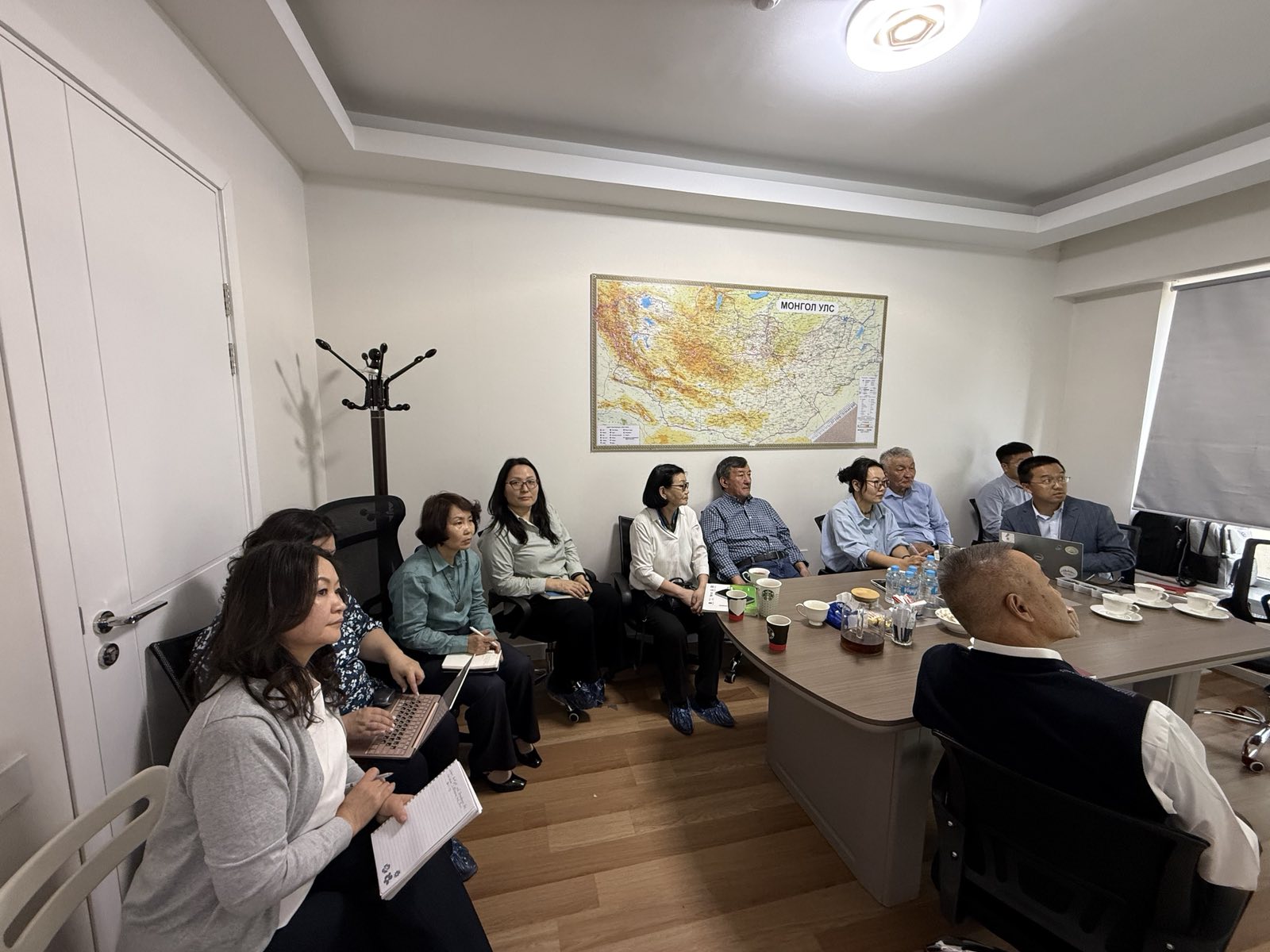
The cooperation also aims to strengthen regional scientific collaboration between Mongolia and China under increasing climate change challenges affecting rangelands, pastoral livelihoods, biodiversity, and food systems across Central and East Asia.
Under the agreement, the Parties will jointly:
• Conduct collaborative research projects
• Develop international research proposals
• Exchange students, researchers, and faculty members
• Organize field-based summer schools and training
• Promote co-authored scientific publications
• Share scientific methodologies and data
Dr. Burmaa Dashbal, Executive Director of GGMRRC, emphasized that the partnership represents an important step toward strengthening science-based rangeland management and building regional cooperation on climate resilience and pastoral sustainability.
The MoU reflects a shared commitment among the institutions to advance scientific innovation, capacity building, and sustainable management of rangeland ecosystems in the face of growing environmental and climate pressures.
Signatories:
• Prof. Ruijun Long, Director, International Mountain Ecological Agricultural Hub, Lanzhou University
• Dr. Gurbazar Damdinsuren, Dean, School of Biotechnology and Animal Science, MULS
• Dr. Burmaa Dashbal, Executive Director, GGMRRC